
Shop By Paint Type
Learn more about the different types of paints we offer.
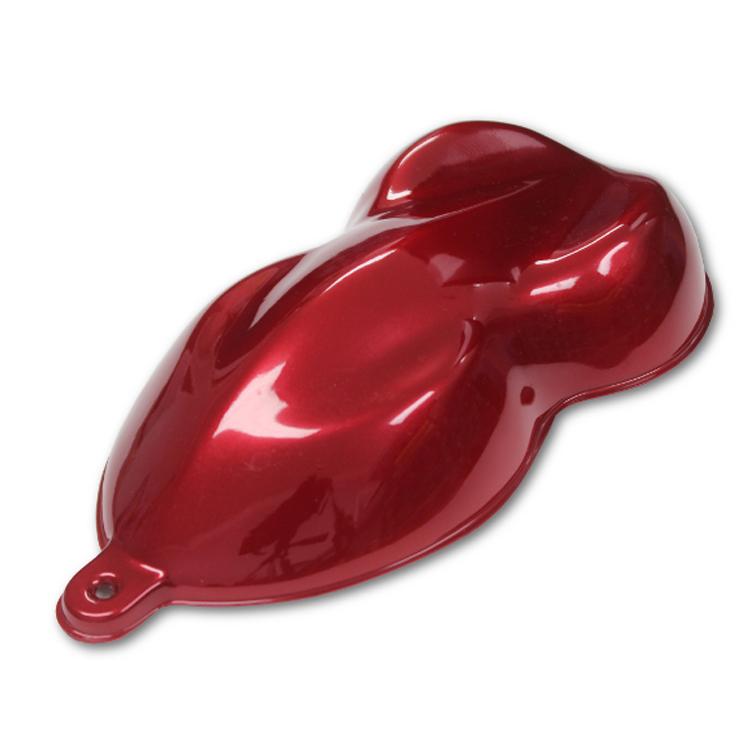
Apple Red Candy Paint
Candy paint is made from three separate coating layers:
- A basecoat, which is usually a highly reflective metallic color
- A candy coat in a vibrant color, but which is semi-transparent
- A premium clear coat
These three layers create a very deep color which a completely unique appearance.
Candy paint is extremely popular, which is why we have a large selection of candy paint colors to choose from. We offer basecoats, candy coats, and clear coats by themselves, as well as vehicle and motorcycle sized candy paint kits.
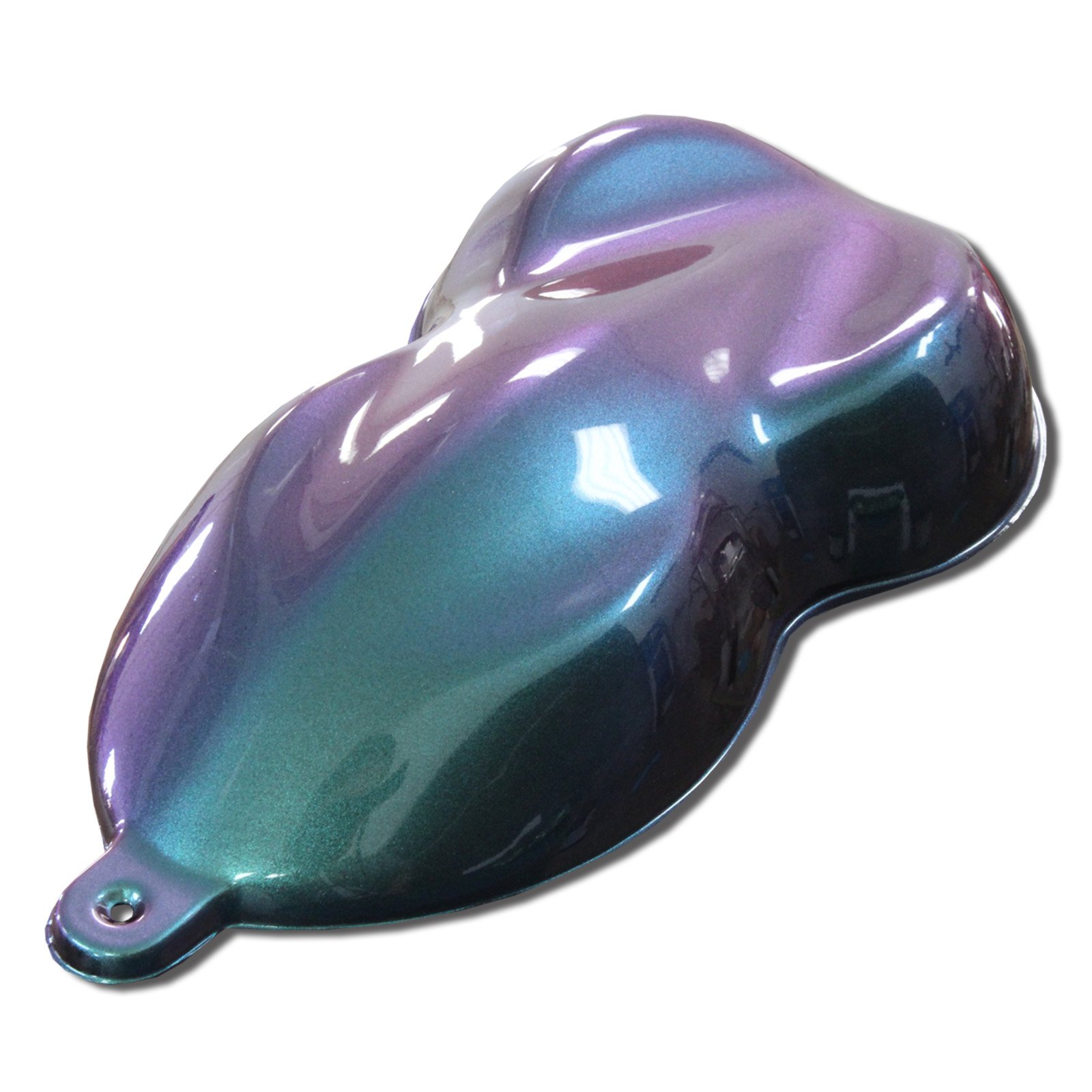
Tokyo Drift Chameleon Paint
Chameleon paint is made from three separate coating layers:
- A basecoat, which is usually black
- A a highly specialized pearl pigment that separates light into many of its individual components
- A protective clear coat
These three layers create the chameleon effect that appears to change color from when viewed from different angles, hence the name "chameleon."
Chameleon paints have seen significant use in the custom painting industry for several decades, and recently have become more popular with OEMs as the cost to produce the pigment has gone down. Here at TheCoatingStore, we offer affordable UreChem chameleon paint color kits in a wide range of color shifts.
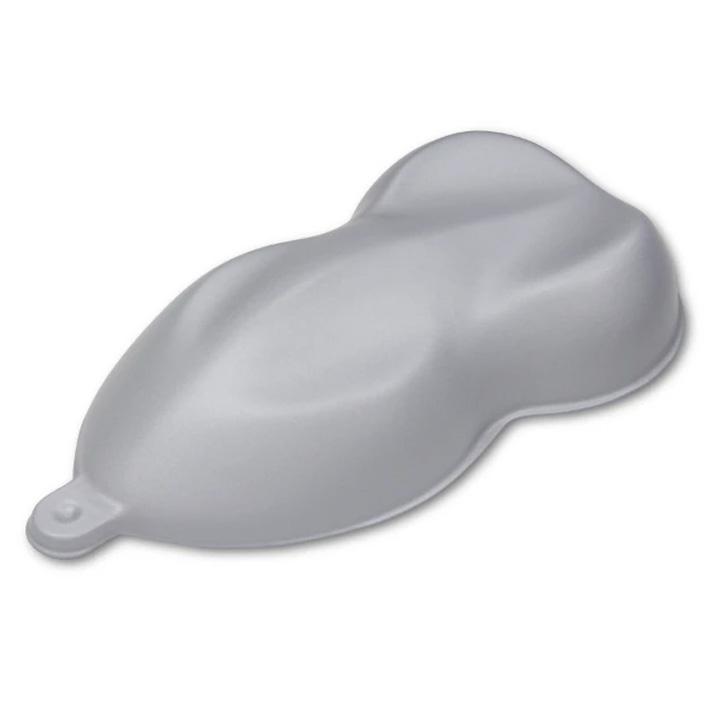
Titanium Silver Pearl Low Gloss Paint
Also known as "hot rod" colors, low gloss colors are less reflective than typical automotive paint. This gives them a "flat" or "matte" look that has steadily increased in popularity over the years. We offer low gloss colors in several gloss sheens:
- Flat sheen
- Matte Sheen
- Satin Sheen
- Semi-gloss
Each sheen offers its own unique appearance for a highly customizable look.
We have both two stage and single stage low gloss paint kits, all of which are affordable and look great.
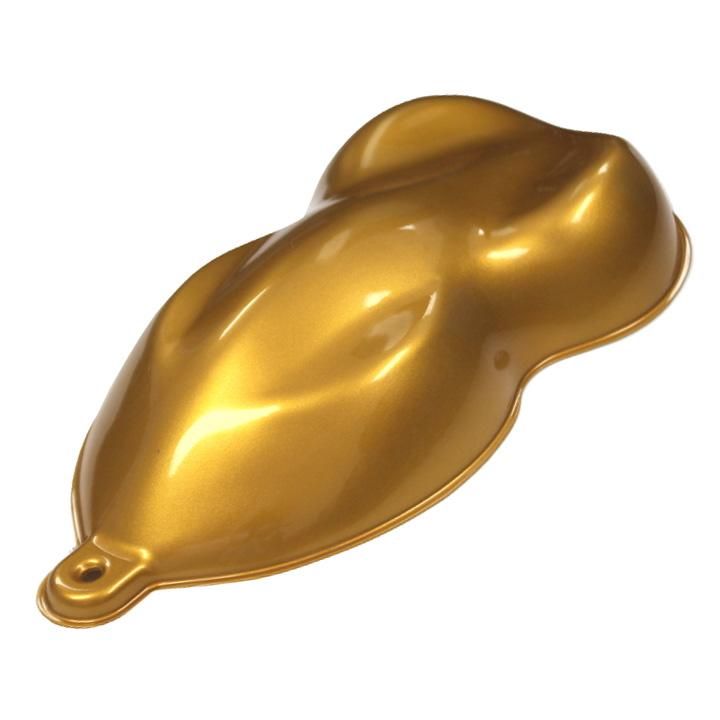
Egyptian Gold Metallic Paint
These paints use small reflective flakes that can be metal or specially colored poly "chips" that gives the paint a metallic appearance.
Flakes come in a variety of colors and effects:
- Silver
- Green
- Blue
- and more!
Flake and basecoat colors can be mixed and matched for a truly custom look, and when combined with advanced application techniques metallic colors can astonish.
Metallic finishes significantly add to the visual appeal of many vehicles, and can even add value to classic or custom vehicles.

Neon Orange Paint
Some of the brightest colors we offer, our neon paints include fluorescing pigments that will "glow in the dark" when exposed to black light.
Available in 6 standout colors:
- Yellow
- Orange
- Red
- Blue
- Green
- Hot Pink
Because these colors respond to UV light, they will fade over time if left outdoors. Neon colors are best for special projects, indoor surfaces, and/or applications that don't require colorfastness.
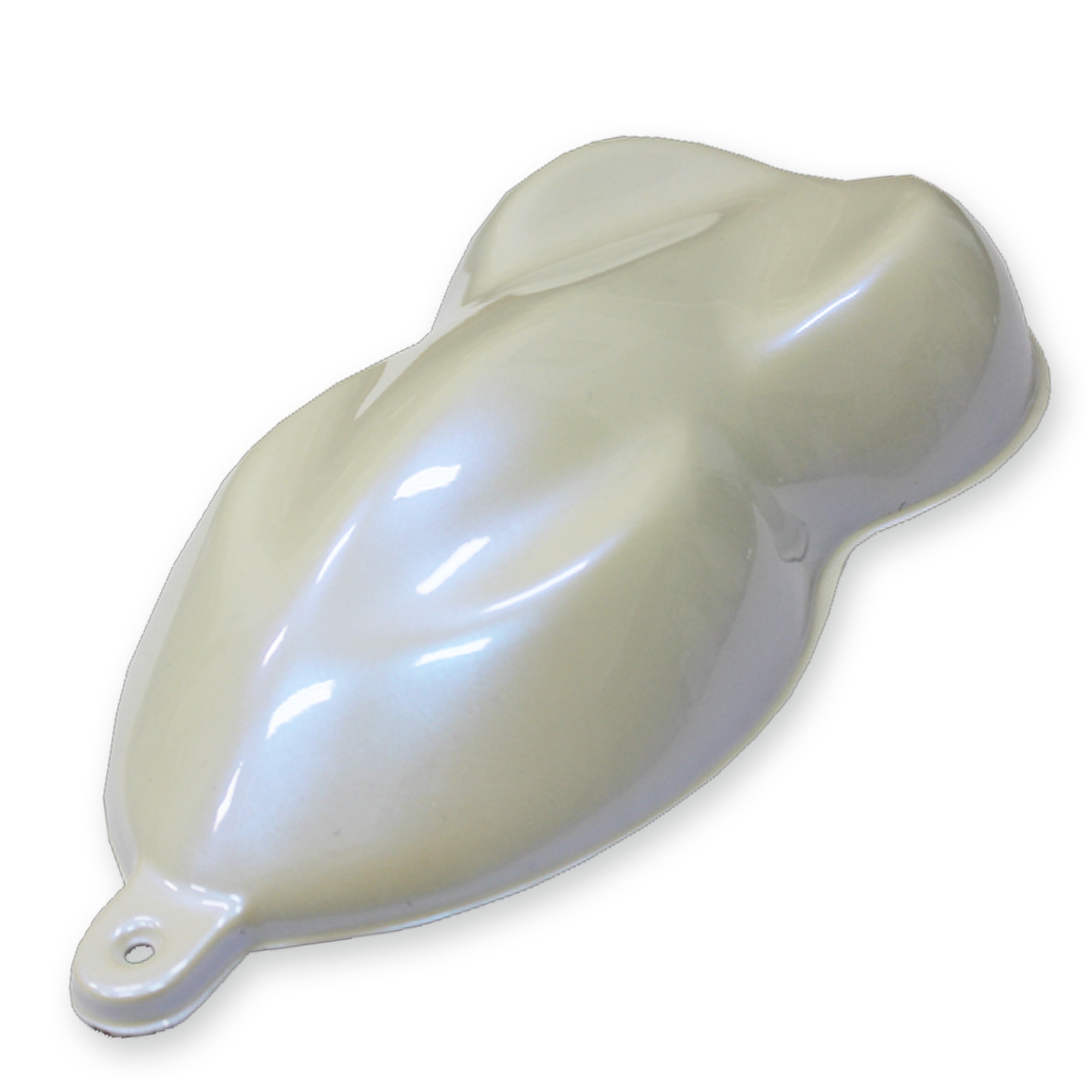
Galaxy Blue Pearl White 3 Stage Paint
Similar to candy paint, pearl paint offers deep colors with detailed reflections. We offer two types of pearl paint:
- 2 Stage Pearl Colors (Base/Clear)
- 3 Stage Pearl Colors (Base/Midcoat/Clear)
Pearl car paint colors are those which have been made from special pearl and transparent pigments.
These colors feature rich chromatic colors that have a more "color depth" than conventional metallic colors. Pearl pigments offer the unique advantage of offering a colored shimmer which allows greater opportunities for creating deep rich colors.
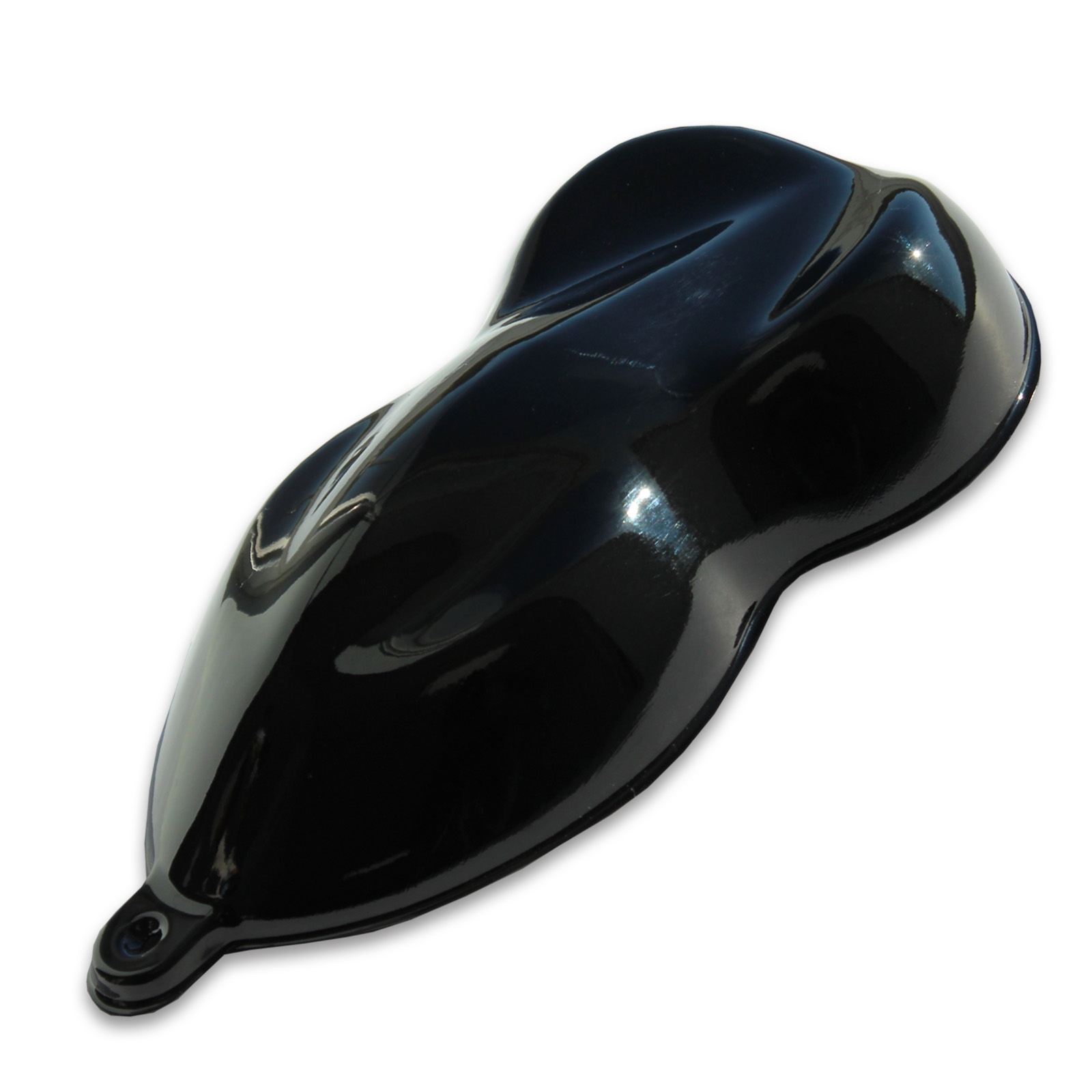
Jet Black Solid Paint
Solid colors don't contain any metallic or sparkling elements, but can be had in a wide variety of colors.
- Ideal for standalone colors
- Great for graphics
- Base color for hot 3 stage pearl finishes
Solid colors are available as either a single or two stage paint, with the two stage paint typically offering the deepest colors.
Our most popular solid color paints are black, our second most popular solid color paints are white.
Compare The Color Types
Wondering which paint to install on your car, truck, SUV, or motorcycle? Here's how they stack up in terms of application difficulty, ease of repair, and cost.